
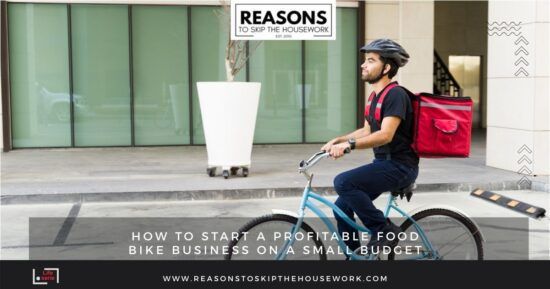
Starting a food business doesn’t have to require a huge investment. In fact, one of the fastest-growing trends in the mobile food industry is the food bike — a low-cost, flexible, and highly profitable alternative to food trucks or brick-and-mortar restaurants. With minimal startup costs and the ability to operate almost anywhere, a food bike can be the perfect entry point for new entrepreneurs.
If you’re looking to launch a success-driven food venture without breaking the bank, here’s a step-by-step guide on how to start a profitable food bike business on a small budget.
Choose the Right Food Concept
Food bikes work best when the menu is simple, portable, and fast to prepare. Popular concepts include:
- Coffee and espresso bikes
- Ice cream or dessert bikes
- Sandwiches, wraps, and light snacks
- Fresh juice or smoothie bikes
- Waffles, crepes, or breakfast items
Choose something you can prepare with minimal equipment and consistent quality.
Get an Affordable Food Bike Setup
Your food bike will be your “storefront,” so invest in a reliable, well-designed unit. Thankfully, compared to food trucks, food bikes cost a fraction of the price.
A good place to explore commercial-quality options is: https://ferlabikes.com/food-bike
These ready-made food bike setups typically include storage, work surfaces, and space for small appliances—helping you launch faster and more professionally.
Pick High-Traffic Locations
Since food bikes are mobile, you can ride directly to where customers already are. Ideal locations include:
- College campuses
- Parks and beaches
- Farmer’s markets and fairs
- Pedestrian shopping areas
- Busy office districts
- Tourist hotspots
Check local rules — some areas require permits for vending.
Get Proper Permits and Licenses
Requirements vary by city, but food businesses usually need:
- A vendor or mobile food permit
- A basic food handler’s certification
- A business license
- Permissions for public vending locations
Since food bikes often fall under “small mobile vendor” categories, the licensing costs are significantly lower than for food trucks.
Keep Your Menu Simple and Profitable
The key to high profits on a food bike is efficiency. A streamlined menu helps you:
- Keep inventory costs low
- Reduce preparation time
- Maintain consistent product quality
- Serve more customers quickly
Focus on items with good profit margins and low ingredient costs.
Use Social Media for Free Marketing
Your food bike is visually appealing — use that to your advantage!
Post regularly on platforms like Instagram, TikTok, and Facebook. Share:
- Your location for the day
- Behind-the-scenes prep
- New menu items
- Customer photos
This builds a loyal following and drives consistent foot traffic.
Track Costs and Revenue Carefully
Since your budget is small, it’s crucial to monitor:
- Ingredient costs
- Daily sales
- Waste and spoilage
- Peak sales hours
- Popular vs. slow-selling items
This data helps you adjust prices, remove unprofitable items, and improve margins.
Expand Smartly as You Grow
A food bike business is highly scalable. Once profitable, you can:
- Add more bikes
- Introduce new menu lines
- Rent bikes to other operators
- Transition into event catering
Growth is flexible and low-risk, making this model ideal for long-term success.
Final Thoughts
A food bike is one of the most affordable and profitable ways to start a food service business today. With a small upfront investment, creative menu ideas, and strategic location choices, you can build a thriving mobile food brand quickly and efficiently.